.png)

TX R&R
July 4, 2026
Tearing down drywall in an older Houston home? Check for asbestos, lead, mold, hidden utilities, and permits before you start demo.
Thinking about opening up a wall in your older Houston home? Before you pick up a hammer, there are a few important safety, wiring, and moisture checks to handle so you don't turn a simple drywall demo into a health risk or a major repair bill. Here's how the team at Texas Repair and Remodel recommends you get ready, based on what we see in Houston houses every week.
Quick Checklist Before You Tear Down Drywall
In Houston, "older" typically means homes built before 1990, though the risk level ramps up significantly for anything pre-1980 or pre-1978. Why those dates? The materials and methods used in construction changed dramatically over those decades, and what's hiding behind your drywall depends a lot on when your home was built.
Homes from the 1950s through the early 1970s may still have original plaster walls in some rooms alongside early drywall installations. By the mid-1970s, gypsum drywall was standard, but the joint compounds, texture coatings, and paints used at the time often contained materials that are now regulated as hazardous. Homes built or extensively renovated in the 1980s fall into a transitional period where newer materials were mixed with older wiring and plumbing systems.
Texas Repair and Remodel works across Houston and the surrounding areas, including Katy, Bellaire, Jersey Village, Spring Valley, Cypress, Sugar Land, Friendswood, Tomball, and Seabrook. Many of the homes in these established neighborhoods fall squarely into the older home category. Post-flood rebuilds from Hurricane Harvey and earlier storms also carry unique risks, since water intrusion and rushed repairs can leave hidden damage that doesn't show up until drywall comes down years later.
Understanding what era your home belongs to is the first step in planning a safe and cost-effective drywall removal project.
Before any demo begins in an older Houston home, health hazards come first. The two biggest concerns are asbestos and lead-based paint, and Houston's perpetually humid climate adds mold to that list.
Asbestos was commonly used in building materials through the late 1970s. In drywall specifically, it shows up most often in joint compound (the mud used to tape and finish seams) and in textured ceiling and wall coatings like the classic orange peel or knockdown finishes. If your home was built before 1980 and still has original finishes, those materials should be tested before you disturb them. You can purchase a sample kit and send material to a certified lab, or have a licensed inspector collect samples for you. Do not dry-sand, grind, or break apart any suspected materials before testing.
Lead-based paint is a concern in homes built before 1978. It can appear on trim, doors, windows, and in older paint layers beneath more recent coats on walls. Lead becomes dangerous when it's disturbed and turned into dust. If you're planning any sanding or scraping in a pre-1978 home, testing and proper containment are essential. Licensed lead abatement contractors follow specific protocols to handle this safely.
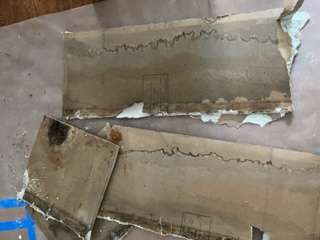
Mold is almost a given in older Houston homes, thanks to the city's heat and humidity. Look and smell carefully before and during demo. A musty odor, dark staining on the back of drywall panels, or visible black or green growth means you likely have a mold issue that goes beyond simple cleanup. In those cases, Texas Repair and Remodel recommends pausing demo and bringing in professional remediation before proceeding. We work with trusted remediation partners across the Houston area and can help coordinate that piece so your project stays on track.
Older Houston homes are full of surprises once you open the walls, and not always the good kind. Hidden utilities are one of the biggest sources of unexpected cost and danger during drywall removal.
Electrical is often the most urgent concern. Homes built before the 1970s may have knob-and-tube wiring, which runs as individual conductors without a ground and is not compatible with modern circuits or outlets. Cloth-insulated wiring from the same era becomes brittle with age and is a fire risk when disturbed. Aluminum wiring, used heavily in the late 1960s and early 1970s as a cost-saving measure, requires special connectors and handling. You may also find junction boxes buried in the wall cavity, which violates current code and must be made accessible.
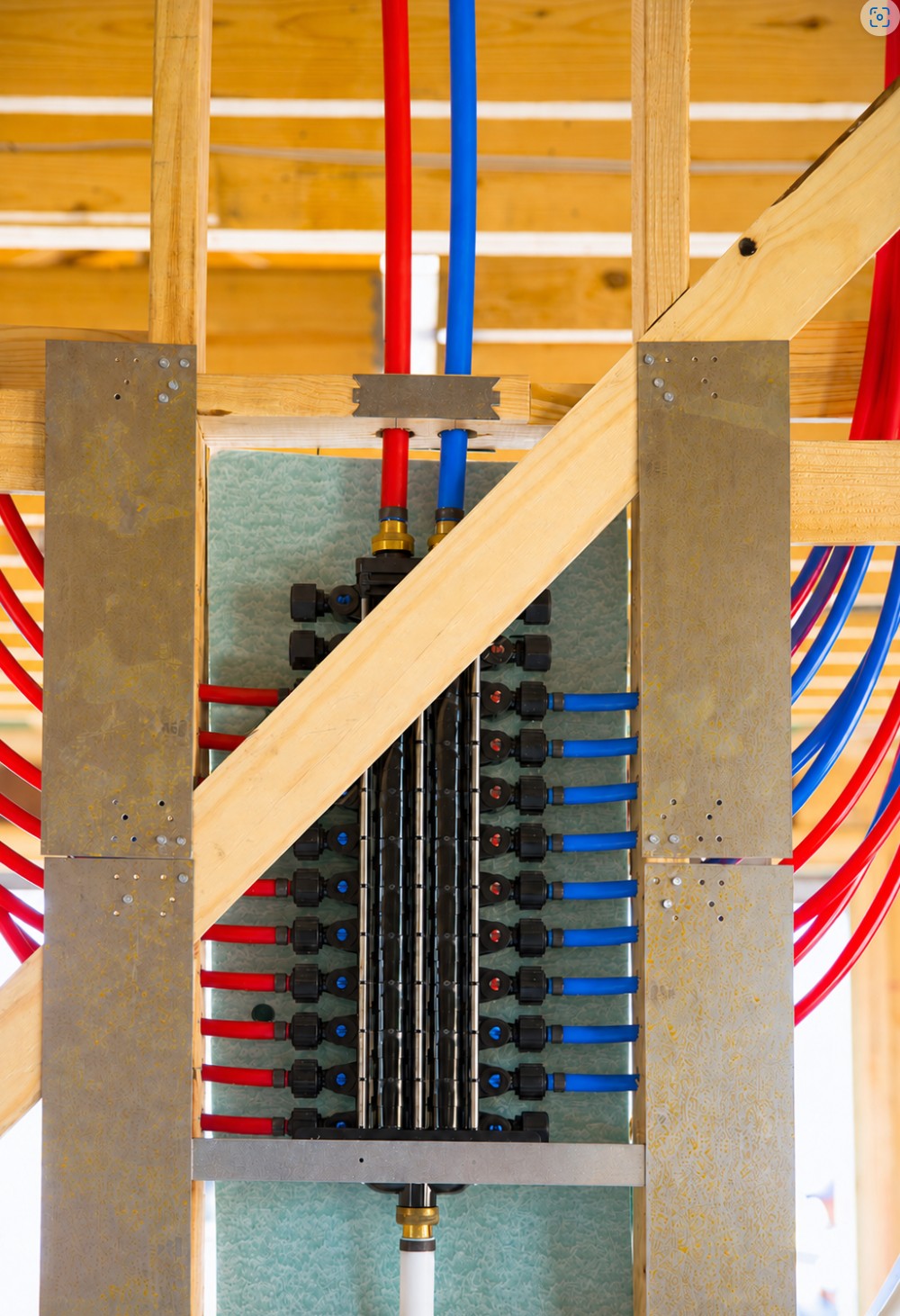
Plumbing surprises in older homes include galvanized steel pipes that have corroded from the inside, old copper lines with lead solder at the joints, and in some cases, early plastic supply lines that are now considered high-risk. If you are opening exterior walls or walls near kitchens, bathrooms, or laundry areas, assume plumbing may be present until confirmed otherwise.
Gas lines can run through wall cavities to serve fireplaces, older wall heaters, or kitchen ranges. These require a licensed plumber to cap or relocate and should never be cut or disturbed without knowing exactly what you are dealing with.
Before demo, shut off the circuits feeding the affected area at your breaker panel. Use a quality multi-sensor wall scanner to locate studs, wires, and pipes before cutting. If you open a small exploratory access hole and see anything unexpected, stop and call the team at Texas Repair and Remodel at 713-730-2012 before going further. A quick inspection at that stage is far less expensive than repairing accidental damage to active wiring or plumbing.
Drywall itself is not structural, but the wall behind it very well might be. Removing drywall is often the first step toward removing or altering studs, and that is where load-bearing mistakes happen.
A wall is more likely to be load-bearing if it runs perpendicular to your floor joists, if it sits directly above or below another wall on a different floor, or if it aligns with a main beam in the attic or under the house. Walls located near the center of the home, running parallel to the roof ridge, are also common candidates. Visible ceiling sag, cracks radiating from the top corners of door openings, or sticking doors in the rooms around that wall can all signal that the structure is carrying a load it's struggling with.
A quick check in the attic can tell you a lot. If multiple ceiling joists or rafters rest directly on top of the wall's top plate, that is a strong sign the wall is structural. Similarly, in homes with a crawlspace, a wall sitting directly above a beam or support post below is worth treating as load-bearing until verified otherwise.
If there is any doubt, do not guess. Texas Repair and Remodel can evaluate the wall as part of an on-site consultation and, when needed, work with a structural engineer to confirm what you're dealing with. In many cases, a load-bearing wall can still be partially or fully removed if a properly sized beam or header is installed to carry the load. That is work that should always be designed and permitted correctly.
Houston's climate is not just an inconvenience, it actively changes what you are likely to find once drywall comes off.
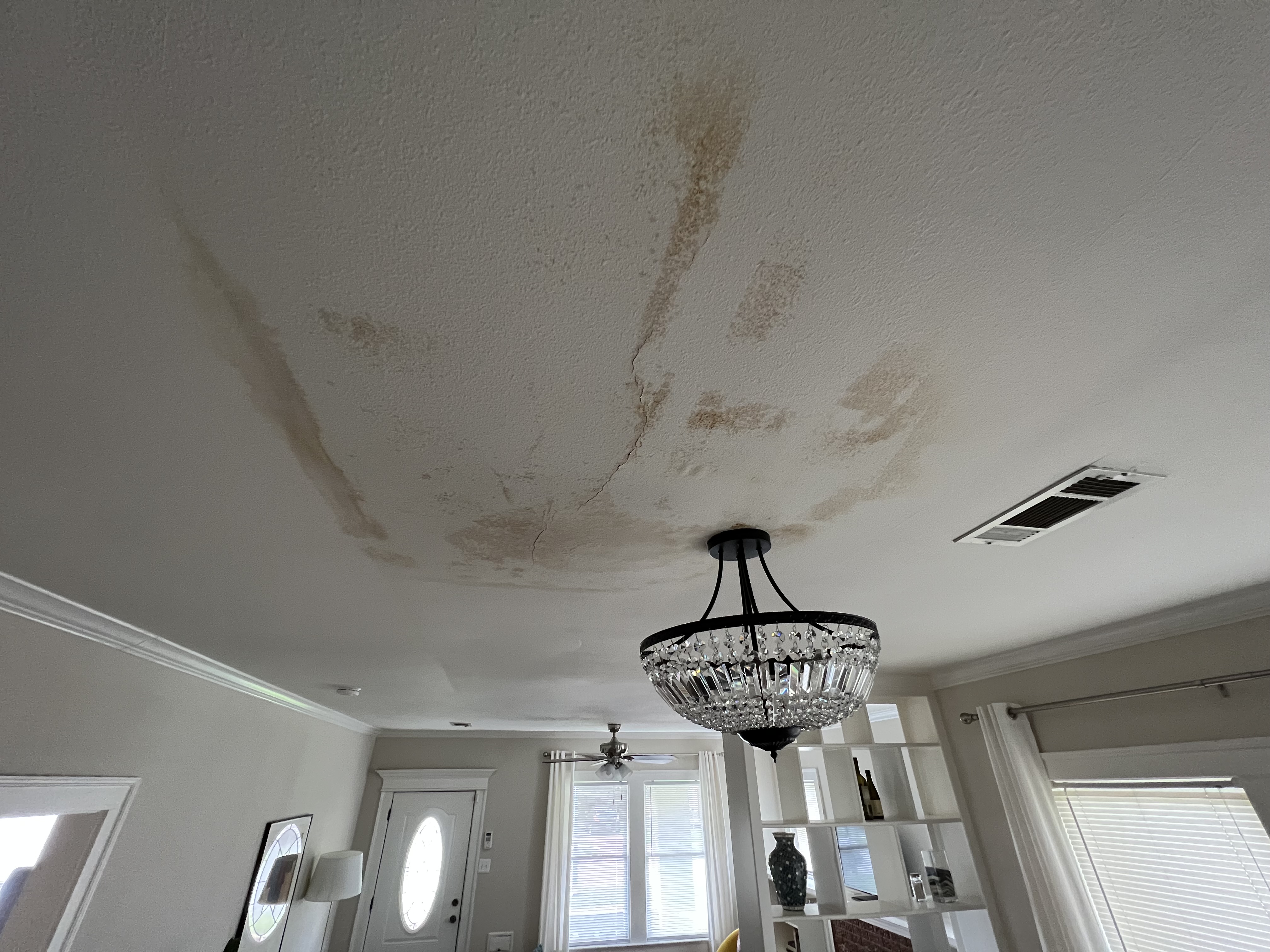
Past tropical storms and hurricanes, including Harvey and those before it, left moisture inside walls across thousands of Houston-area homes. Even where repairs were made, water that was not fully dried before new drywall went up created ideal conditions for mold and wood rot to develop over time. Plumbing leaks from aging galvanized or copper pipes contribute as well. Do not be surprised to open a wall and find rotted bottom plates, stained framing, or damp insulation that has been slowly deteriorating for years.
Termites are also a serious factor in the Houston area. The city's warm, humid soil is ideal for subterranean termite colonies, and older homes with wood framing that contacts soil or has had any past moisture issues are especially vulnerable. Signs to watch for include pencil-thin mud tubes running up the foundation or along the base of studs, wood that sounds hollow when tapped, or framing that crumbles when probed with a screwdriver.
When rot, moisture damage, or termite activity shows up behind drywall, the scope of your project expands. Texas Repair and Remodel handles framing repairs, subfloor replacement, and drywall installation, and we can coordinate with pest control and mold remediation professionals when those services are needed before rebuild can begin.
Tearing down drywall sounds simple, but depending on what you expose and what you plan to do next, permits may be required.
The rules vary depending on where your home is located. Properties inside Houston city limits fall under the City of Houston's permitting requirements, while homes in Katy, Bellaire, Jersey Village, Hedwig Village, Hunters Creek Village, and other surrounding communities may be governed by their own municipal codes or Harris County regulations. This matters because permit thresholds and inspection requirements can differ from one jurisdiction to the next.
As a general rule, permits are required when the project involves altering or adding electrical circuits or outlets, moving or replacing plumbing, changing HVAC ductwork, or making any structural modifications to framing. If your drywall demo reveals non-code wiring that needs to be corrected, that correction will typically trigger a permit and inspection. In some cases, homeowners have discovered that previous unpermitted work was done in a wall, which means any new work in that area needs to be brought up to current code before it can be covered back up.
Texas Repair and Remodel can review your project scope during an in-home consultation and help you understand what permits will likely apply. We work with local inspectors regularly and can coordinate the permit process as part of a full-service remodel.
Drywall demo creates an enormous amount of fine dust, and in Houston homes that run central air conditioning almost year-round, that dust travels fast.
Fine drywall particles are light enough to be pulled into return air vents and distributed through your duct system within minutes of demo starting. Once dust settles inside ducts, it can recirculate for weeks and aggravate allergies and asthma. Before swinging a hammer, seal all HVAC vents and returns in the work area using plastic sheeting and tape. Turn off the air handler while demo is happening in that zone if possible.
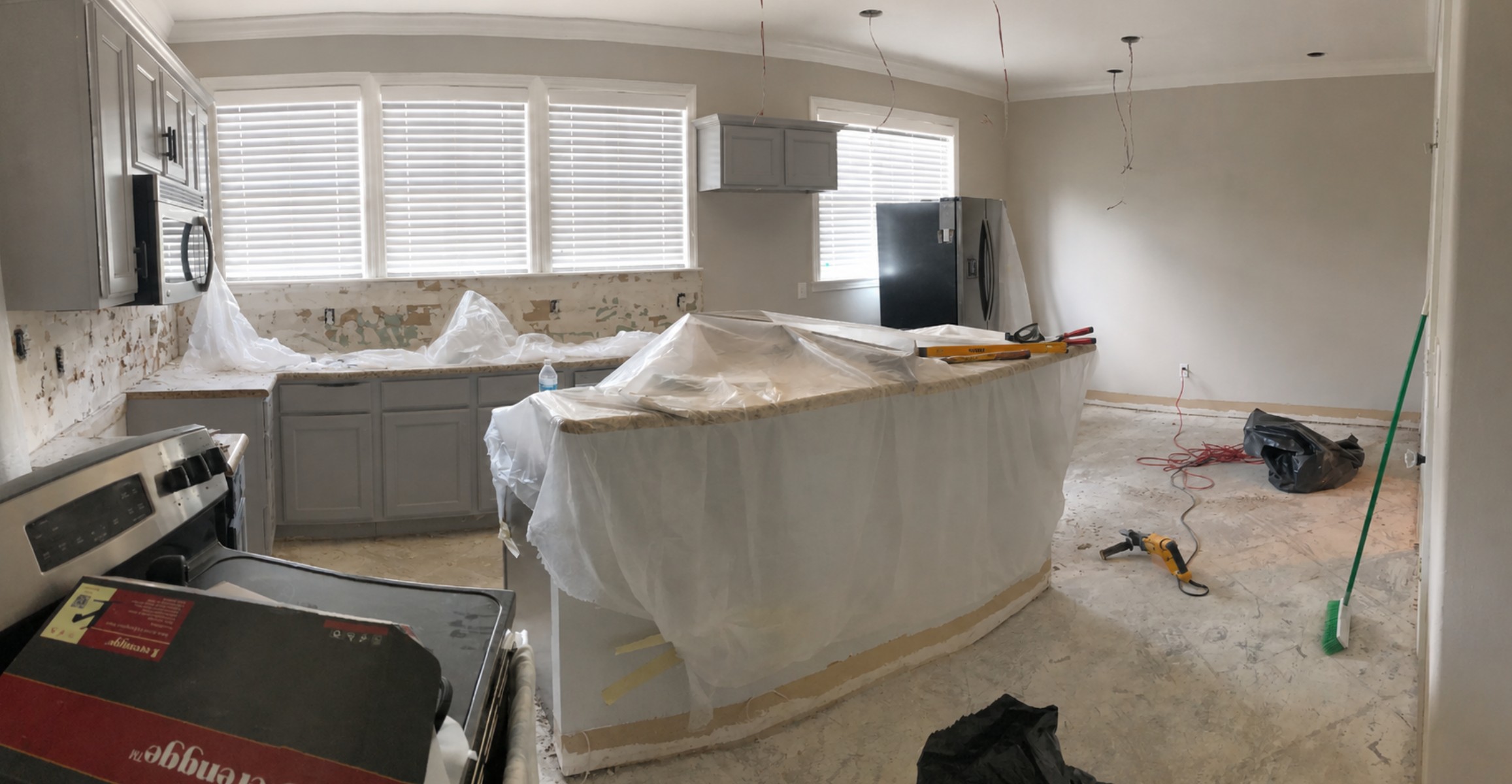
Set up a physical barrier between the work area and the rest of your home using plastic sheeting and a zipper-style access door. Protect floors with rosin paper or contractor-grade floor protection film to prevent scratches from falling debris and heavy foot traffic. Use a HEPA-filter vacuum for cleanup rather than a standard shop vac, which can exhaust fine particles back into the air.
Texas Repair and Remodel's crews include proper containment setup, debris removal, and post-demo cleanup as part of our drywall and remodeling services. We haul off demolished material and leave the work area clean so the rest of your home stays livable while the project moves forward.
One of the most common surprises in older home renovation is how quickly a focused demo project grows once the walls are open. Planning for that reality upfront keeps the project under control.
Common "while it's open" upgrades Texas Repair and Remodel frequently handles alongside drywall work include:
Build a contingency budget of 20-30% on top of your base estimate to cover these kinds of discoveries. That number may feel high, but it reflects the reality of older home renovation, and unspent contingency is a pleasant problem to have.
During an in-home consultation, the Texas Repair and Remodel team can walk through your project, help you identify likely hidden issues based on the home's age and history, and map out a phased plan that keeps the work organized and the budget predictable.
Some drywall projects in older Houston homes are straightforward. Others involve layers of risk that make professional help the smarter call from the start. Here are the situations where we strongly recommend bringing in the Texas Repair and Remodel team before demo begins:
Working with a local, full-service remodeling contractor like Texas Repair and Remodel means one team handles diagnosis, demo, code-compliant repairs, and rebuild from start to finish. There is no coordinating between separate contractors or waiting on one trade to finish before another can start. We serve homeowners throughout Houston and the surrounding communities, including Katy, Cypress, Sugar Land, Bellaire, Friendswood, Tomball, Seabrook, and beyond.
Ready to get started? Schedule an on-site wall and drywall inspection before any demolition begins. Call us at 713-730-2012, email info@texasrepairandremodel.com, or use the Get a Quote form at texasrepairandremodel.com. We will walk through the wall with you, flag what needs attention, and put together a clear plan so there are no surprises once the demo starts.
Frequently Asked Questions
Do I need a permit to tear down drywall in Houston? Not always, but it depends on what the demo reveals and what you plan to do next. If you expose wiring, plumbing, or framing that needs to be altered or corrected, permits and inspections are typically required. Texas Repair and Remodel can help you understand what applies to your project and jurisdiction.
How do I know if my Houston home has asbestos in the drywall? Homes built before 1980 are the highest risk. The most reliable way to know is to have a small sample of joint compound or textured coating tested by a certified lab before any demo. Do not sand or break apart suspect materials before testing.
What should I do if I find mold behind my drywall? Stop demo, minimize disturbance to the affected area, and contact a professional remediation company. Texas Repair and Remodel works with remediation partners across Houston and can help coordinate the next steps before rebuild begins.

As a top choice Houston repair and remodeling company, we are fully dedicated to making your space work for you. If you’re ready to elevate your home and work with the easiest contractors around, please contact us! We look forward to turning your home into a haven for rest and relaxation.